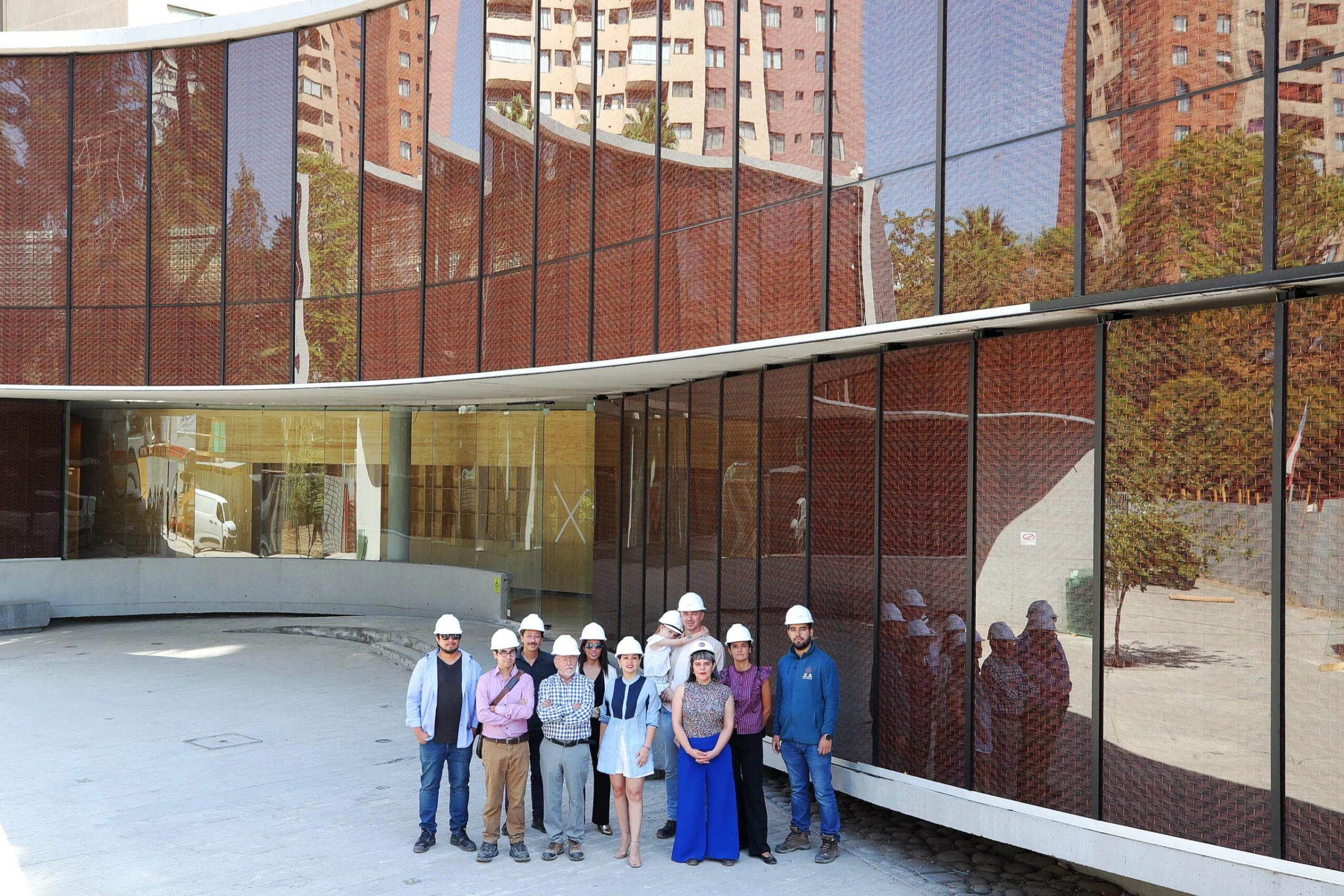
Chile Reopens Museo Violeta Parra Six Years After Arson During Social Unrest
After a six-year closure triggered by arson in 2020, Santiago’s Museo Violeta Parra has reopened with restoration upgrades, new security systems, and a symbolic reset for Chile’s cultural sector.
Chile has reopened the Museo Violeta Parra in Santiago, six years after a fire attack during the 2019-20 protest cycle forced the institution to shut its doors. The return of the museum, reported this week in international art coverage, lands as more than a local reopening: it closes a long interruption in the public life of one of Chile’s most symbolically charged cultural spaces.
The museum is dedicated to Violeta Parra, the artist, composer, and researcher whose practice moved across music, textile work, visual art, and political folklore. Any institution carrying her name is inevitably tied to questions of national memory, class politics, and public access. Its shutdown during a period of social confrontation therefore carried a meaning beyond conservation logistics or building repair.
According to public updates from Chile’s Ministerio de las Culturas, las Artes y el Patrimonio, restoration efforts included major remediation and upgrades to resilience systems. The reopening phase has centered on infrastructure that can withstand renewed risk, including reinforced envelopes and additional security controls. Institutions in Latin America are increasingly budgeting for this category of spending, where risk management now sits beside curatorial planning.
For museum governance, this case is a reminder that crisis recovery is measured in years, not quarters. Reopening a burned cultural site requires financing, engineering, insurance coordination, labor continuity, and political support from agencies whose priorities change with each electoral cycle. The Violeta Parra timeline shows the cost of interruption in practical terms: programming continuity breaks, audience habits shift, and institutional identity has to be rebuilt with each reopening announcement.
There is also a curatorial challenge embedded in the return. A museum that reopens after politically charged damage cannot resume as if nothing happened. It has to reframe its exhibitions around institutional fragility, care, and public accountability without collapsing into pure memorial language. In this context, reopening strategy becomes editorial strategy: what the museum chooses to show first signals whether it is merely restored or genuinely reset.
For collectors and funders, the takeaway is direct. If private support is serious about cultural infrastructure, it cannot be limited to exhibitions and acquisitions. The durable value is often in less visible systems, environmental controls, fire mitigation, staff training, and emergency protocols that determine whether a museum can survive political turbulence at all.
The Santiago reopening does not erase the original violence, but it does reinsert the institution into the city’s cultural circulation. That matters for artists, educators, and audiences who rely on public institutions to hold continuity when civic narratives fracture. The museum’s next year of programming will determine whether this return functions as a symbolic ceremony or as the beginning of a stable second chapter.
The institutional lesson extends well beyond Chile. Comparable reopenings in the region have shown that audiences return fastest when the reopening phase includes transparent reporting, community-facing education, and a clear governance roadmap. Public agencies can reinforce that trust by publishing regular infrastructure updates and budget disclosures through channels like Cultura Chile, while the museum itself can anchor programming around collection access and education partnerships rather than ceremonial launches. For curators tracking resilience practice, this is now core professional terrain, the politics of care, stewardship, and continuity.
The institutional lesson extends well beyond Chile. Comparable reopenings in the region have shown that audiences return fastest when the reopening phase includes transparent reporting, community-facing education, and a clear governance roadmap. Public agencies can reinforce that trust by publishing regular infrastructure updates and budget disclosures through channels like Cultura Chile, while the museum itself can anchor programming around collection access and education partnerships rather than ceremonial launches. For curators tracking resilience practice, this is now core professional terrain, the politics of care, stewardship, and continuity.