Trevor Paglen Wins 2026 LG Guggenheim Award, as Art and AI Governance Converge
The Guggenheim and LG named Trevor Paglen the 2026 award recipient, signaling that institutional art-tech programs are moving from speculative media art toward infrastructure critique.
The Solomon R. Guggenheim Museum and LG have awarded Trevor Paglen the 2026 LG Guggenheim Award, a $100,000 prize that has quickly become one of the few high-visibility institutional programs devoted to art and technology beyond product futurism. The announcement places Paglen in a short lineage that includes Stephanie Dinkins, Shu Lea Cheang, and Ayoung Kim, three artists whose work similarly treats technical systems as social systems. In practical terms, this is not only a career honor for Paglen, it is a signal about where major museums want the art-and-tech conversation to go next.
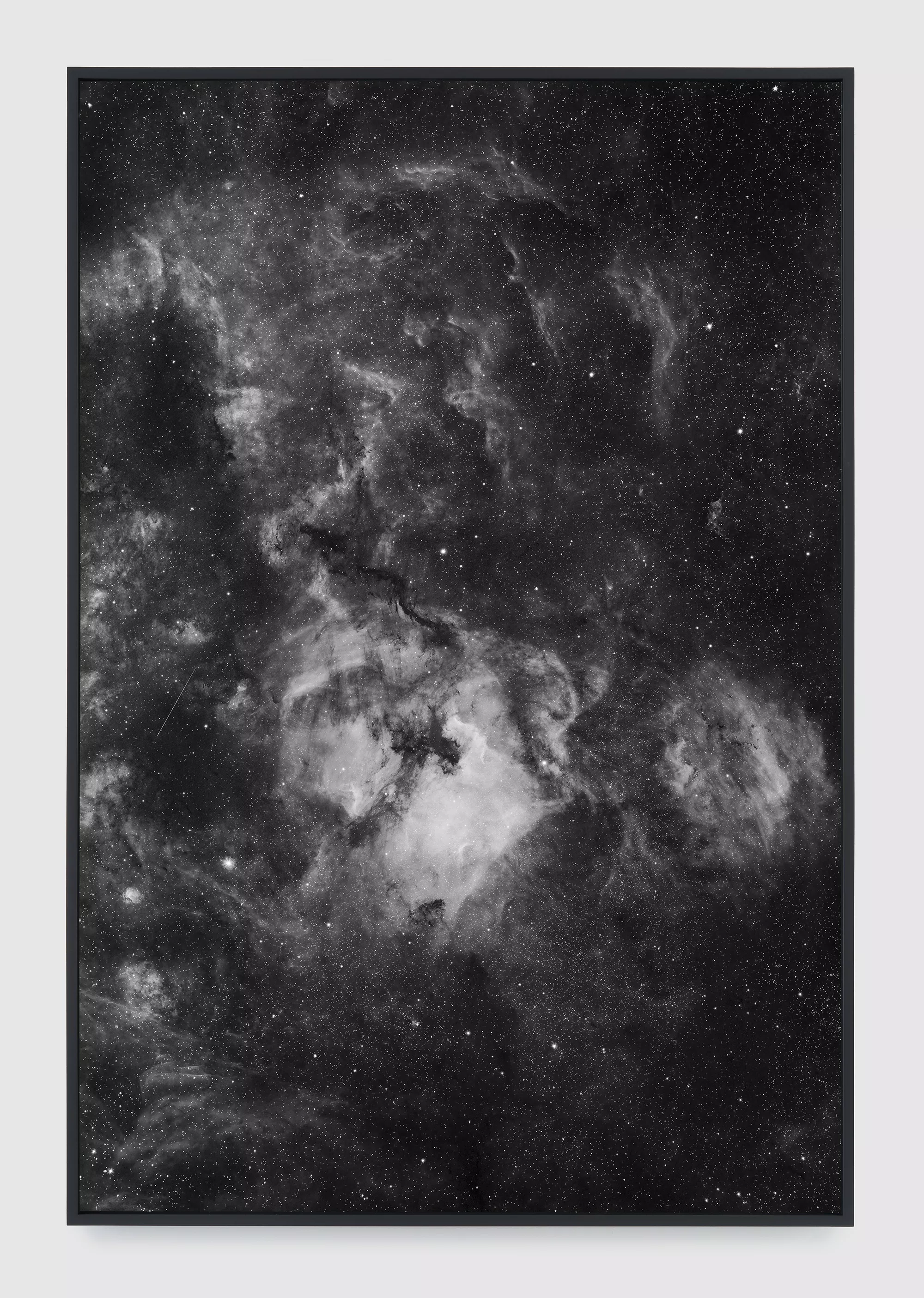
Paglen built his reputation by turning hard-to-picture infrastructure into legible images and arguments: surveillance satellites, data-routing facilities, military geographies, machine vision datasets, and the legal gray zones that hold all of them together. The core of the work has remained consistent across mediums, whether photography, installation, video, writing, or sculpture: who builds the image systems that now govern mobility, risk, labor, and identity, and who gets excluded from understanding or contesting them. That focus has aged into the center of contemporary policy debates as governments and companies accelerate deployment of automated perception tools.
The award announcement arrives as the LG Guggenheim Art and Technology Initiative enters its later phase. Launched as a five-year collaboration, the initiative has tried to position museum infrastructure as a site for public interpretation of technical change, not merely as a stage for immersive spectacle. For curators and collecting committees, that distinction matters. Institutional spending on digital work has expanded, but acquisition and interpretation frameworks often still privilege display effect over long-term critical relevance. Paglen’s selection suggests the jury favored an artist whose method can travel from exhibition space into broader civic discourse.
According to the announcement, Paglen will present a hybrid lecture-performance at the Guggenheim in May, with his new book following immediately after. That sequencing matters because it links exhibition programming to sustained argument. A recurring weakness in museum-led tech initiatives is eventization: one panel, one shiny installation, then organizational amnesia. By tying a public program to an authored text, the institution is building continuity, and effectively inviting curators, educators, and collectors to track the ideas across formats instead of consuming them as temporary content.
The jury composition also indicates the award’s international posture. Participants included figures from Mori Art Museum, the Victoria and Albert Museum, and other transnational curatorial contexts where digital-art discourse has moved from medium novelty toward governance and ethics. That alignment is significant for artists working in adjacent fields. Institutional validation often determines what gets conservation support, scholarly writing, and long-view exhibition circulation. In that sense, this prize does not just reward one practice, it reallocates attention toward work that can map power rather than decorate it.
For collectors, the market implication is less about immediate price reaction and more about durability. Works rooted in critical analysis of infrastructures tend to remain relevant because the infrastructures do not disappear, they expand. For museum programmers, the award raises a practical challenge: if institutions now claim to prioritize legibility and public access around opaque systems, that claim has to extend beyond one annual prize into interpretation budgets, commissioning frameworks, and education strategy. Paglen’s win sets a benchmark. The next question is whether institutions follow through with comparable seriousness across the full program cycle.